US and Iran Strike “Encouraging” Breakthrough – But Trump’s Threats Loom Large
Geneva/Lucerne – In a dramatic diplomatic turn, the United States and Iran wrapped up their first face-to-face negotiations in Switzerland on Sunday, with mediators Qatar and Pakistan hailing “encouraging progress” toward a final deal to end their bloody conflict.
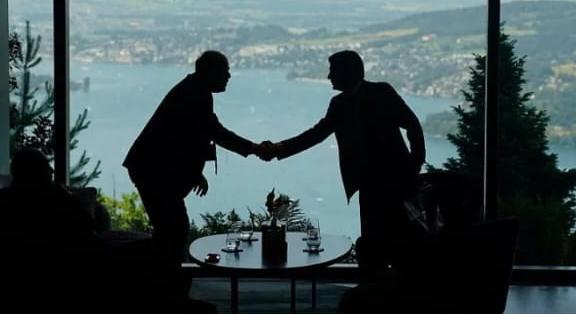
The talks, held at the exclusive Bürgenstock resort, produced a 60-day roadmap to a comprehensive agreement – one that would halt fighting across all fronts, reopen the vital Strait of Hormuz, and even begin a $300 billion reconstruction plan for Iran.
But the euphoria was quickly tempered by Donald Trump’s blunt warning to Tehran: “They must immediately stop their highly paid PROXIES in Lebanon from causing trouble,” the former US president posted, vowing to “hit Iran very hard again” if they didn’t comply.
Iran’s lead negotiator, Mohammad Bagher Ghalibaf, shot back: “Don’t they think that if their threats had any effect, they wouldn’t be in this desperate situation today? No matter how much they talk, it is we who take action.”
Despite the rhetoric, both sides agreed to set up a “de‑confliction cell” with Lebanon to end military operations there – even as Israeli air strikes have killed dozens of Lebanese civilians since the initial truce was signed last week.
The sticking point remains Iran’s nuclear programme – the very issue that ignited the war. While Vice‑President JD Vance offered a historic olive branch – “If Iran’s leadership is willing to give up being a driver of regional instability and its nuclear weapons ambitions, the US is willing to fundamentally transform our relationship” – Tehran insists its nuclear work is peaceful.
With 4,057 Lebanese and 34 Israeli soldiers already dead, the world now watches to see if this fragile diplomacy can outlast the guns.