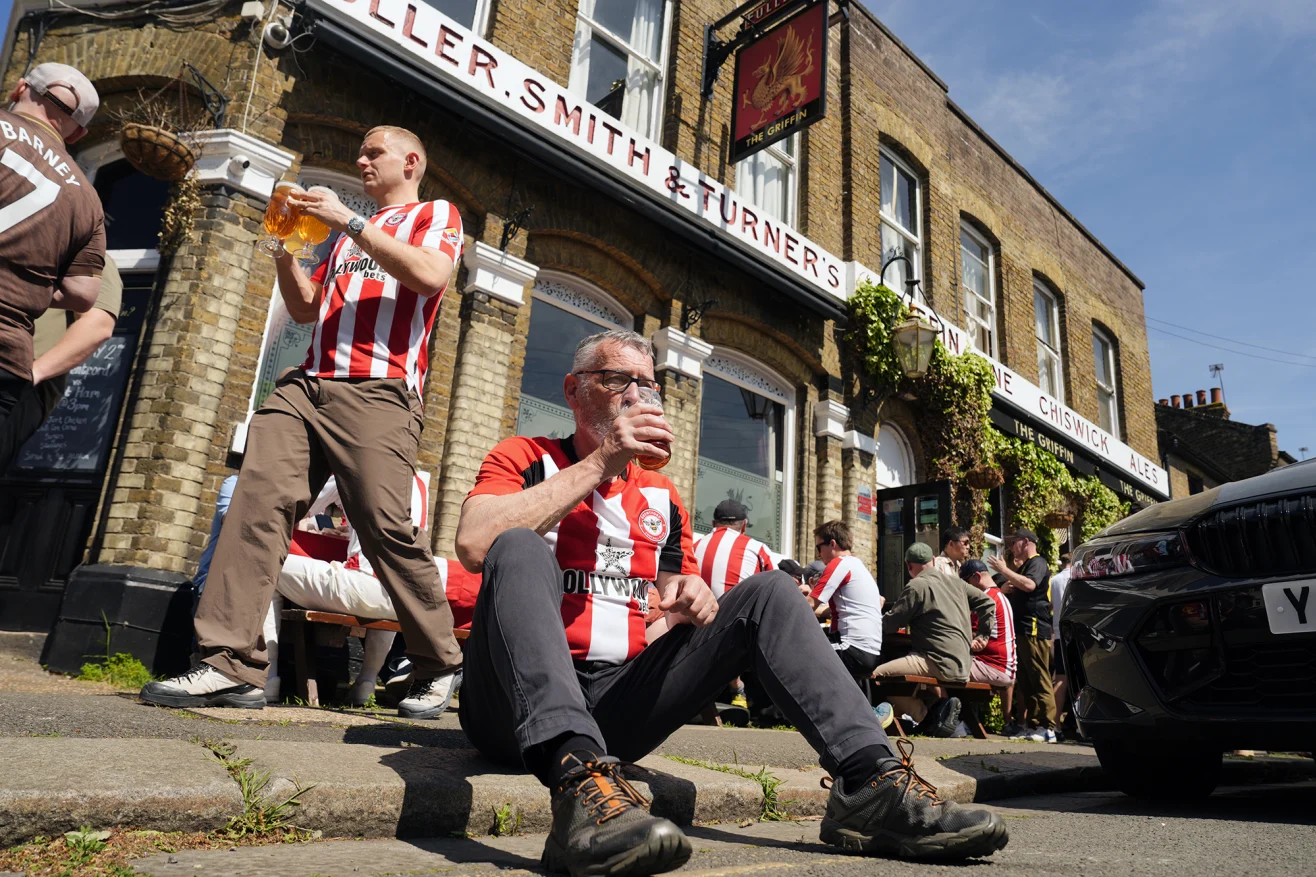
Football fans thought they’d seen it all. VAR drama. Billion-dollar transfers. Goalkeepers taking penalties. But now? The World Cup final is getting a halftime show packed with global pop stars, Muppets, and enough glitter to make the Super Bowl blush.
Yes, seriously.
This summer’s World Cup final at New Jersey’s Meadowlands Stadium on July 19 is turning into something that sounds less like football’s sacred finale and more like a fever dream directed by Hollywood. FIFA officially announced that the biggest match on earth will now feature a massive halftime spectacle starring Shakira, BTS, Madonna, and even characters from The Muppets — all put together by Coldplay frontman Chris Martin.
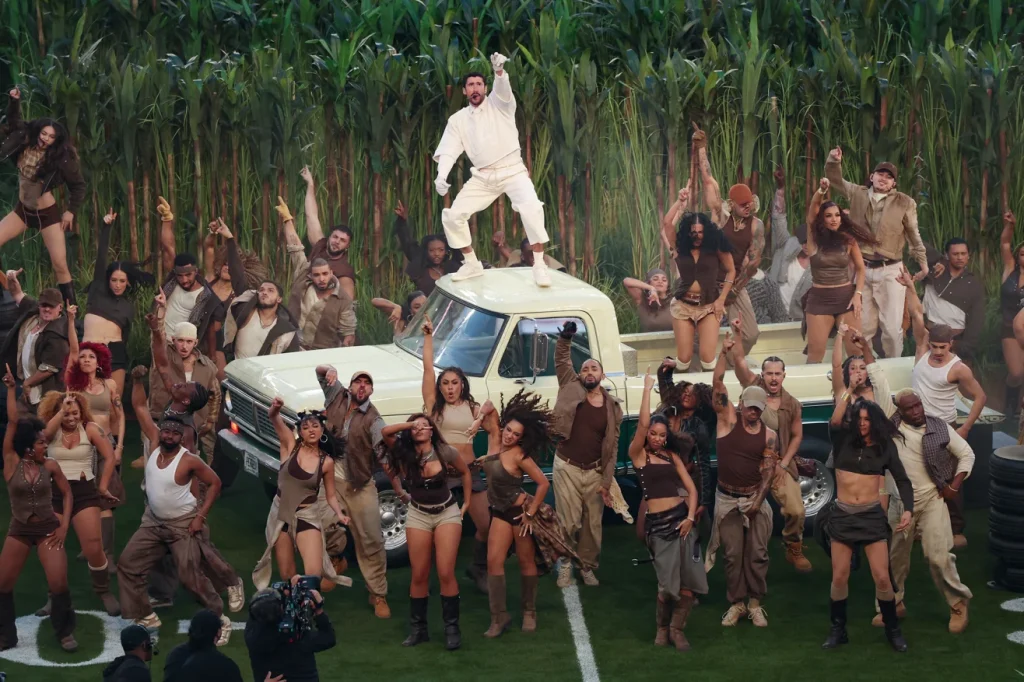
For some fans, this is exciting. For others, it feels like football just sold its soul for backstage passes.
Social media instantly exploded. Some supporters are hyped about the idea of blending music, entertainment, and football into one giant global event. Others reacted like someone suggested replacing the World Cup trophy with a TikTok dance challenge.
To many traditional football fans, especially in Europe and South America, the World Cup final doesn’t need fireworks, celebrity cameos, or Elmo dancing beside Coldplay. The football itself is already the show. The tension. The chants. The heartbreak. The drama of a single goal deciding history. That’s the magic people grew up loving.
But in America, where sports and entertainment have always been closely linked, this move doesn’t seem shocking at all. The Super Bowl turned halftime shows into cultural moments years ago, so many Americans are wondering why football shouldn’t do the same. After all, if the US is hosting the tournament, why not add its own flavor to the party?
And honestly, the lineup is stacked.
Shakira practically belongs in World Cup history at this point. Her iconic “Waka Waka” from the 2010 South Africa tournament still triggers instant nostalgia for millions of fans who remember the nonstop sound of vuvuzelas and unforgettable summer nights. BTS brings one of the most passionate fanbases on the planet, while Madonna is simply… Madonna. Love her or hate her, everyone knows the words to at least one of her songs.
Still, for lifelong football purists, the issue isn’t really about who performs. It’s about what the sport represents.
Football isn’t just entertainment in many parts of the world — it’s identity, culture, family tradition, and emotional therapy rolled into 90 chaotic minutes. Fans inherit clubs from parents and grandparents. Matchdays become rituals. You visit the same pub, argue with the same friends, scream at the same referee decisions, and somehow convince yourself every season will be different.
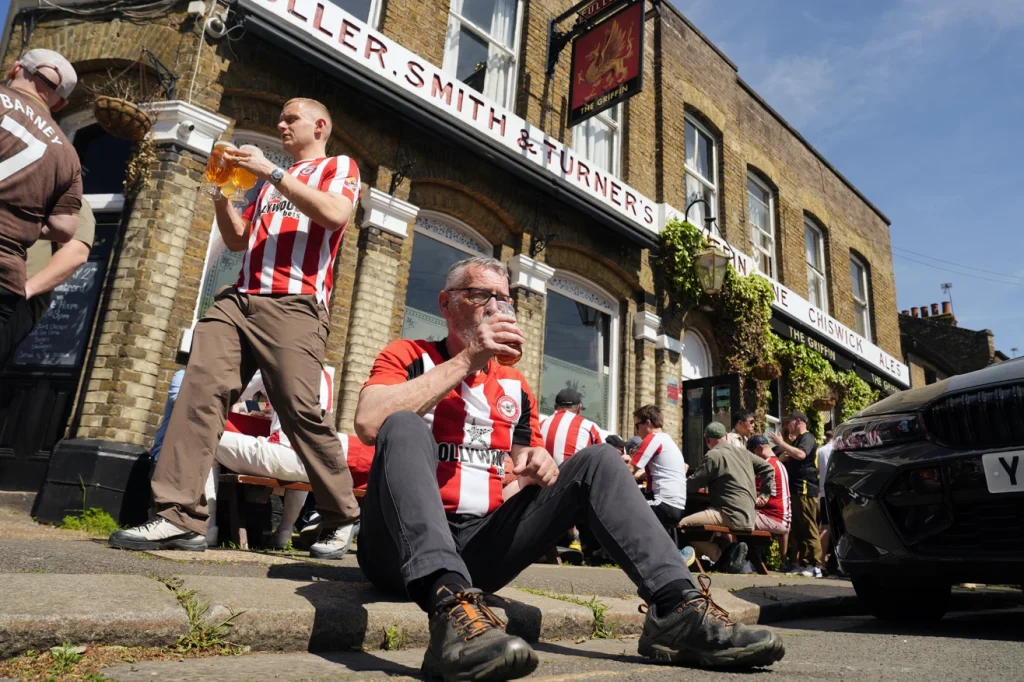
You sit through miserable rainy draws, celebrate last-minute winners like national holidays, and let losses ruin your entire week. That emotional connection is what makes football feel sacred to so many people.
And halftime? Traditionally, that’s sacred too. It’s for arguing over tactics, grabbing another drink, yelling at pundits on TV, or nervously pacing around because your team is one goal away from glory or disaster.
Not exactly the moment people expected to watch Coldplay perform alongside Kermit the Frog.
Whether fans love it or hate it, though, one thing is clear: the World Cup final is changing. And just like football itself, the debate around it is guaranteed to be loud, emotional, dramatic — and impossible to ignore.