Trade tensions between the United States and China are once again in the spotlight, especially for American farmers who were badly affected during last year’s back-and-forth tariff battle. Many farmers are hoping for smoother trade relations so they can sell more soybeans, beef, and poultry to the massive Chinese market.
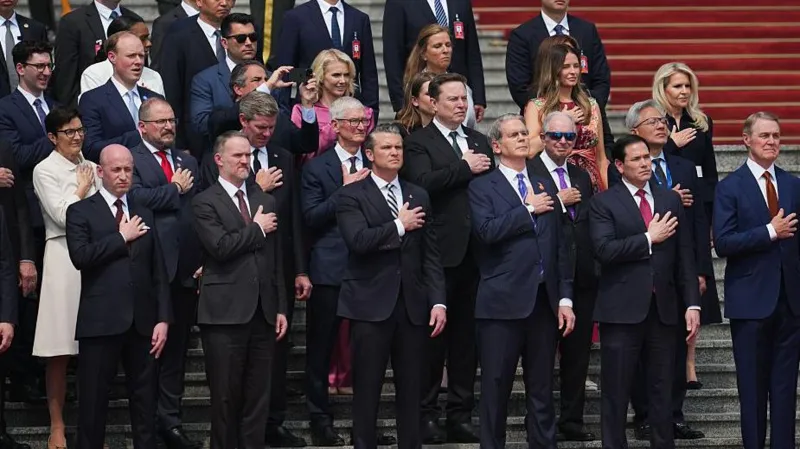
US Trade Representative Jamieson Greer said agreements involving Chinese purchases of American agricultural products have now been strengthened. However, China’s foreign ministry stopped short of confirming any fresh deals. Instead, Beijing emphasized that both countries agreed to keep trade relations stable and expand cooperation based on “equality, mutual respect, and mutual benefit.”
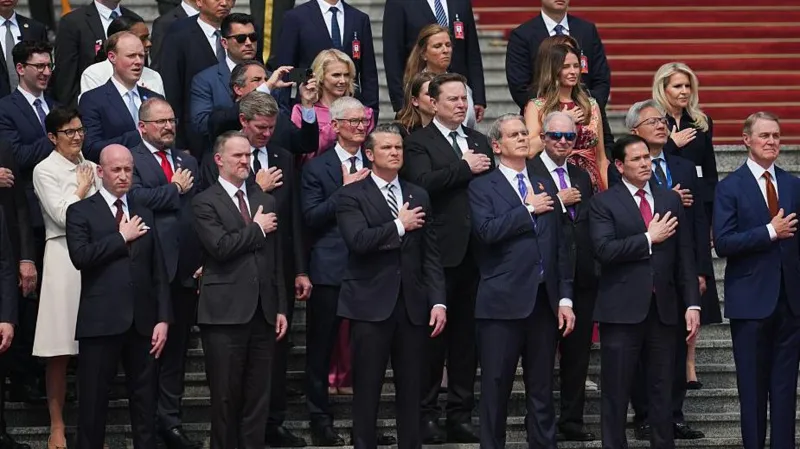
According to the White House, discussions also included plans to give American companies greater access to Chinese markets and encourage more Chinese investment in US industries.
For many US businesses, China remains a huge opportunity — but not without challenges. Companies often struggle with strict regulations, heavy bureaucracy, and ongoing political tensions between the two global powers.
Still, China appeared eager to send a welcoming message. Chinese President Xi Jinping reportedly told American business leaders that China’s “doors will open wider,” promising broader opportunities for US companies operating there, according to Chinese state media outlet Xinhua News Agency.
Xi also pushed for deeper cooperation in several areas, including trade, agriculture, healthcare, tourism, and law enforcement. He described the relationship between both countries as one that can produce “win-win results” when handled properly.
But despite the positive tone, one sensitive issue quickly resurfaced: Taiwan. The self-governed island, which China claims as its territory, has long been a major point of tension between Beijing and Washington. During previous trade talks, Taiwan was treated as just one of many disagreements. This time, however, China directly tied the Taiwan issue to its broader economic relationship with the United States.
According to Beijing’s summary of the talks, Xi said both nations were working toward a “new positioning” in relations built on “constructive strategic stability.” Yet he also delivered a strong warning about Taiwan.
“The Taiwan question is the most important issue in China-US relations,” Xi said during the discussions, according to Chinese state media.
He warned that if the matter is mishandled, tensions between both countries could escalate dramatically and even lead to direct conflict.
Officials in Taipei will likely be paying close attention to these developments, especially because of Taiwan’s critical role in the global semiconductor industry and its long-standing partnership with the United States. For now, it remains unclear whether these renewed tensions could affect future US cooperation with Taiwanese chipmakers or its broader relationship with the island.