One of the biggest moments of the trip came Wednesday night when Air Force One landed in Beijing. But it wasn’t a politician who grabbed everyone’s attention first — it was Elon Musk.
The Tesla boss stepped off the plane before top US officials like Pete Hegseth, Marco Rubio, and Jamieson Greer, immediately signaling how important business and technology were going to be during the high-stakes US-China talks.
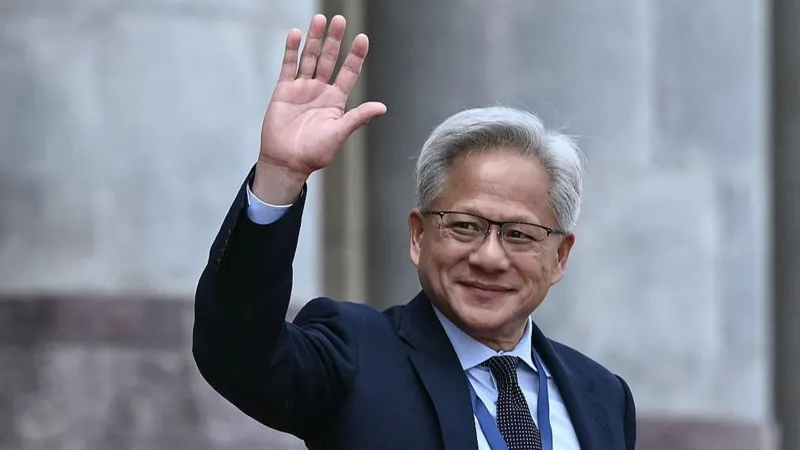
Throughout the visit, Musk was rarely far from Trump. Nvidia CEO Jensen Huang was also front and center during the welcome ceremony and state banquet, drawing even more attention from observers watching the summit closely.
Huang’s presence raised eyebrows because he reportedly wasn’t originally supposed to join the delegation. His sudden inclusion sparked speculation that artificial intelligence and access to advanced computer chips had become a much bigger issue in the discussions than many expected.

That makes sense considering how deeply companies like Tesla and Nvidia are tied to China. Tesla depends heavily on its massive Shanghai factory and Chinese customers, while Nvidia is eager to resume selling advanced AI chips to China — something currently blocked by US export restrictions.
Those restrictions are part of Washington’s broader effort to slow China’s progress in cutting-edge AI technology. Even so, trade officials insisted chip controls were not the main focus of the summit.
China, however, continues to push back against those limits, arguing that the US is trying to hold back its technological and industrial growth.
Artificial intelligence still loomed large over the conversations. Trump later told reporters the two sides discussed the possibility of creating AI “guardrails” together. When asked what that actually meant, he responded vaguely: “Standard guardrails that we talk about all the time.”
Beyond tech, the talks also focused heavily on trade. Last year’s tariff battles hurt many American farmers, especially those exporting soybeans, beef, and poultry to China.
According to US Trade Representative Jamieson Greer, both countries made progress on agreements for China to buy more American agricultural products. Beijing, however, stopped short of confirming any major new deals. Instead, China’s foreign ministry emphasized maintaining stable trade relations built on “equality, mutual respect, and mutual benefit.”
The White House also said discussions included giving US companies greater access to Chinese markets and encouraging more Chinese investment in American industries.
For many US businesses, China remains both a huge opportunity and a frustrating challenge because of strict regulations, bureaucracy, and growing geopolitical tensions.
Still, China appeared eager to send a welcoming message. President Xi Jinping told American business leaders that China’s “doors will open wider,” promising broader opportunities for US companies operating in the country.
Xi also called for stronger cooperation in areas like trade, agriculture, healthcare, tourism, and law enforcement, describing the relationship between the two countries as one where both sides can benefit and achieve “win-win” outcomes.